
ECUST and Shanghai Chlor-Alkali Chemical Partner to Launch World’s First Industrial Unit for Catalytic Oxidation of Hydrogen Chloride Using a Fixed-Bed Copper-Based Catalyst
Recently, a 30,000-ton-per-year chlorine production unit jointly developed over 17 years by a research team led by Professor Yanglong Guo from the School of Chemistry and Molecular Engineering at ECUST and Shanghai Chlor-Alkali Chemical Co., Ltd. has reached full-capacity operation and passed a 72-hour continuous operation performance test. The facility is the world’s first industrial-scale unit to produce chlorine via catalytic oxidation of hydrogen chloride using a fixed-bed copper-based catalyst, and it features fully independent intellectual property rights.
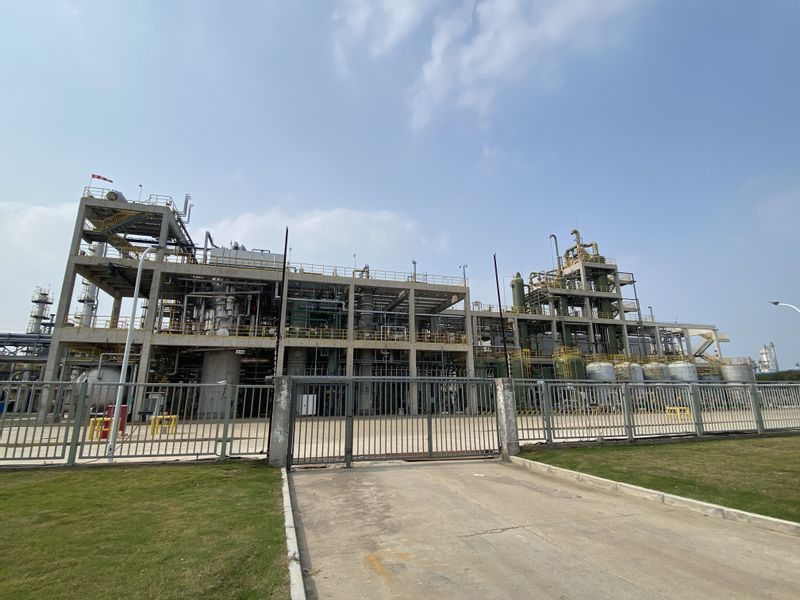
As the world’s largest producer of polyurethane (MDI/TDI), polyvinyl chloride (PVC), and fluorochemicals, China generates more than 10 million tons of by-product hydrogen chloride annually. The efficient recycling and utilization of this by-product have long posed a common bottleneck constraining the development of industries such as polyurethane, fluorochemicals, chlor-alkali, agrochemicals, and pharmaceuticals. Converting hydrogen chloride into chlorine enables the circular utilization of chlorine resources and provides an effective solution to the utilization of by-product hydrogen chloride. To promote the sustainable development of emerging industries and the upgrading the chlor-alkali sector, technologies for the comprehensive utilization of waste hydrochloric acid, including its conversion into chlorine, have been incorporated into the Catalogue for Guiding Industry Restructuring (2024 Edition).
The high-performance copper-based catalyst developed by Professor Guo’s team demonstrates a service life of over three years per reactor tube. Moreover, the catalyst cost per ton of chlorine produced is only 10% of that of conventional ruthenium-based catalysts. This breakthrough effectively addresses the long-standing challenge of the high-value utilization of large volumes of by-product hydrogen chloride in chlorine-related industries such as polyurethane and fluorochemicals. It also reduces the electrolysis load and carbon emissions in the chlor-alkali industry at the source, providing strong technological support for advancing China’s circular economy and achieving its carbon peaking and carbon neutrality goals.